

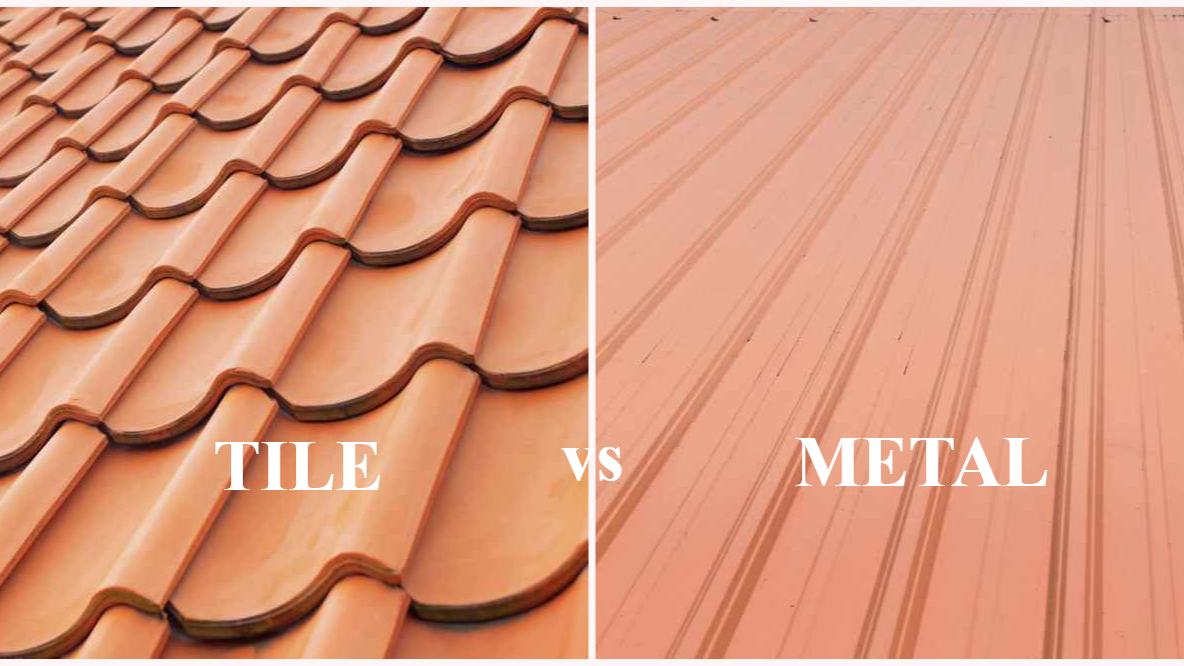
Florida’s subtropical climate is one of the most beautiful in the country, with warm breezes, bright sunshine, and that signature First Coast humidity that becomes part of everyday life. But the same conditions that make Florida so vibrant also make it a uniquely harsh environment for roofs. High UV exposure, salt in the air, heavy summer thunderstorms, constant moisture, and the annual threat of hurricanes all take a toll on roofing materials over time. In coastal cities like St. Augustine, where the weather can shift from sunny skies to torrential rain within minutes, homeowners need roofing systems that can withstand intense, year-round stress.
That’s why choosing the right roofing material matters. And for many Florida homeowners, the two most durable and long-lasting options are metal roofing and tile roofing, both of which First Coast Roofing Company proudly installs. But which type actually lasts longer in Florida’s subtropical climate? The answer will depend on a few main factors, from how they handle heat and moisture to their wind resistance and maintenance needs.
Below, we break down the differences between metal and tile roofs and how each performs in our unique coastal environment.
How Florida’s Subtropical Climate Affects Roof Longevity
Before comparing materials, it’s important to understand the environment they’re battling every day:
High Humidity & Moisture
Florida’s humidity encourages mold, mildew, and moisture absorption—especially in porous materials. Afternoon thunderstorms and tropical systems add even more water exposure.
Salt in the Air
Coastal properties deal with salt spray, which can corrode metal and degrade fasteners if the roofing system isn’t built for coastal durability.
Intense Sun & UV Exposure
Year-round sunshine causes materials to fade, weaken, or become brittle over time.
High Winds During Hurricane Season
St. Augustine regularly experiences tropical-storm-force winds, and roofing systems must be able to resist uplift, flying debris, and sudden gusts.
Heat Expansion
Florida’s heat causes roofing materials to expand and contract daily, affecting longevity if the material isn’t designed to handle thermal movement.
Both metal and tile roofs are known for durability, but they perform differently under these conditions.
Metal Roofs: Lifespan and Performance in Florida
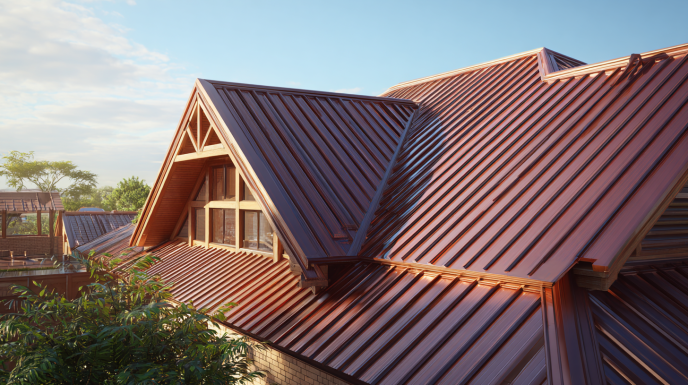
Metal roofs are engineered to withstand extreme environments, which is why they’re becoming increasingly popular on Florida homes.
Typical Lifespan
The typical lifespan for metal roofs is about 40–70 years ,depending on the system and maintenance.
Why Metal Performs Well in Florida
- Superior wind resistance, especially with standing seam systems
- Reflects heat, keeping homes cooler in summer
- Resists rot, cracking, mold, and insect damage
- Handles thermal expansion well when installed with proper fasteners
- Lightweight, reducing strain on the structure
Metal roofs perform exceptionally well against hurricanes when installed with high-wind-rated fasteners and panels. Standing seam metal is especially effective in coastal regions because the concealed fasteners are protected from salt exposure.
Potential Weaknesses
- Coastal corrosion can occur if inferior metals or coatings are used
- Impact from flying debris can dent thinner metal systems
- Requires professional installation to prevent noise or panel lift
When properly installed using high-quality aluminum or coated steel, metal roofing is one of the most durable roofing systems for Florida homes.
Tile Roofs: Lifespan and Performance in Florida
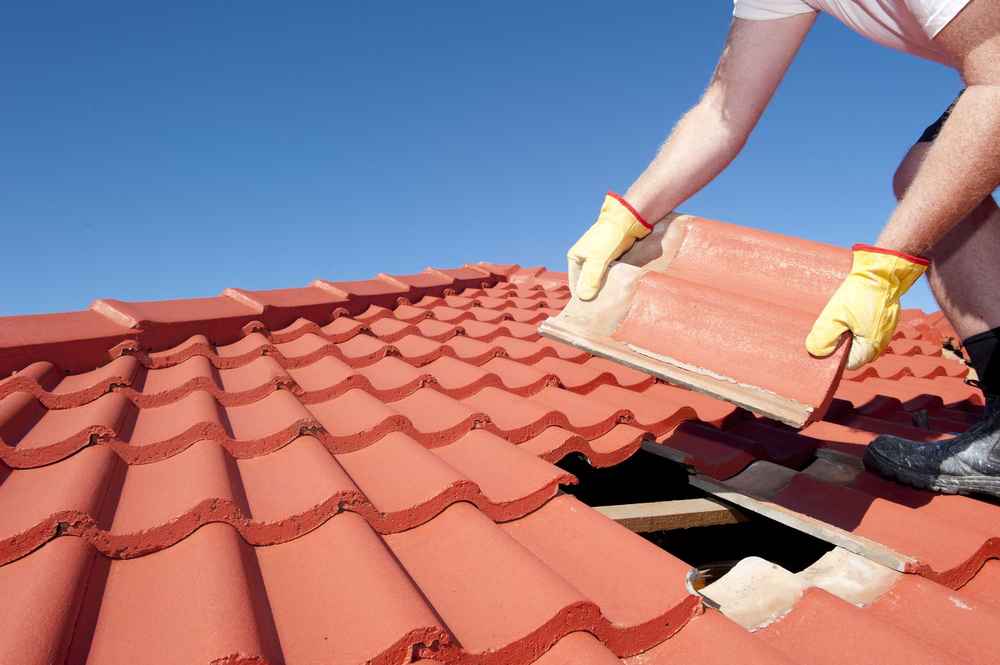
Tile roofing, whether clay or concrete, has been a Florida staple for decades. It’s durable, beautiful, and naturally resistant to heat.
Typical Lifespan
The typical lifespan of tile roofing is about 50–100+ years for clay tile and 40–50 years for concrete tile.
Why Tile Performs Well in Florida
- Excellent resistance to salt and humidity
- Extremely heat-resistant, ideal for strong UV exposure
- Naturally fireproof
- Holds up well in coastal environments
Many Florida homes, especially in St. Augustine and surrounding coastal towns, use tile because it thrives in humid and salty climates. Clay tile, in particular, does not absorb moisture the way other materials do.
Potential Weaknesses
- Tiles can crack from impact during storms
- The underlayment beneath the tile often needs replacement every 20–25 years
- Heavy weight requires a strong roof structure
- Installation requires specialized skill
Tile roofs themselves may last a century, but the layers beneath them often determine the roof’s true lifespan.
So Which Lasts Longer in Florida?
When comparing real-world performance in St. Augustine’s subtropical climate:
Clay Tile
Often outlasts metal overall due to its ability to withstand heat, salt air, UV exposure, and humidity with minimal structural degradation. Clay tile roofs can last 100+ years, though they may require periodic maintenance of the underlayment.
Metal Roofing
Offers exceptional wind resistance and durability but typically lasts 40–70 years, depending on the system and coastal conditions.
Concrete Tile
Performs similarly to metal in lifespan but is more prone to cracking.
The longest-lasting option in Florida’s climate is generally clay tile, but metal roofing often offers better hurricane protection and requires less structural support.
Ultimately, the best option depends on your home’s design, budget, and storm-resilience goals, and First Coast Roofing Company installs both with expert craftsmanship.
Our Metal & Tile Roofing Services
At First Coast Roofing Company, we provide:
Metal Roofing Options
- Standing seam
- Exposed fastener
Tile Roofing Options
- Clay tile
- Concrete tile
Whether you choose metal or tile, every installation is performed with the integrity, honesty, and faith-driven workmanship we bring to every project.
Ready to Upgrade Your Roof? Call First Coast Roofing Company
Florida’s climate demands roofing built for strength. Whether you want the century-long durability of clay tile or the hurricane-tested resilience of metal, First Coast Roofing Company is here to guide you through the best option for your home.
Contact us today for an inspection or consultation, and protect your home with a roof made to thrive in Florida’s subtropical climate.